United States immigration enforcement protests
The United States Immigration and Customs Enforcement became the focus of nationwide demonstrations after expanded immigration enforcement actions and raids in several American cities. Protests developed in communities where federal agents conducted arrests and detention operations tied to broader immigration policies. Demonstrations have taken place near federal buildings and detention centers across the country.
Cities including Minneapolis and Los Angeles saw protests calling for policy changes and greater oversight of enforcement activity, while demonstrations were also reported in other U.S. cities. Organizers said protests were intended to draw attention to the impact of immigration enforcement on families and communities. The events also gained attention from travelers visiting major urban destinations during the demonstrations.
ICE enforcement sparks reactions
ICE enforcement operations in early 2026 triggered organized demonstrations in several regions of the United States. Community groups, labor organizations, and advocacy networks coordinated marches and rallies to highlight concerns about enforcement tactics. Many of these protests focused on federal detention centers and immigration court facilities.
Large gatherings appeared in cities such as Minneapolis and New York City during the wave of demonstrations, with additional protests reported elsewhere around the country. Protest organizers emphasized peaceful rallies while calling for changes to enforcement practices and detention policies. The events sometimes took place near downtown districts that also host major tourism and convention activity.
Cities witness growing demonstrations
ICE-related protests quickly expanded beyond a few cities and spread to multiple regions of the United States. Demonstrators gathered outside federal immigration offices, courthouses, and government buildings in both large cities and smaller communities. Organizers said the goal was to bring national attention to immigration enforcement practices.
Minneapolis became one of the most visible locations for demonstrations following enforcement incidents that sparked national debate. Additional rallies took place in Los Angeles and other cities during the same period as protests spread beyond Minnesota. These large urban centers are also frequent stops for visitors attending events, conferences, and cultural festivals.
Federal policies draw attention
Immigration enforcement policies often become major topics in national political debates across the United States. Federal authorities say enforcement efforts are designed to uphold immigration laws and maintain border and visa regulations. Critics argue that aggressive operations can disrupt communities and create fear among immigrant families.
These policy debates frequently appear in national news coverage and influence public demonstrations. Political discussions surrounding immigration also affect how communities respond to federal enforcement actions. Major cities that welcome international travelers often become visible stages for these debates.
Demonstrations spread nationwide
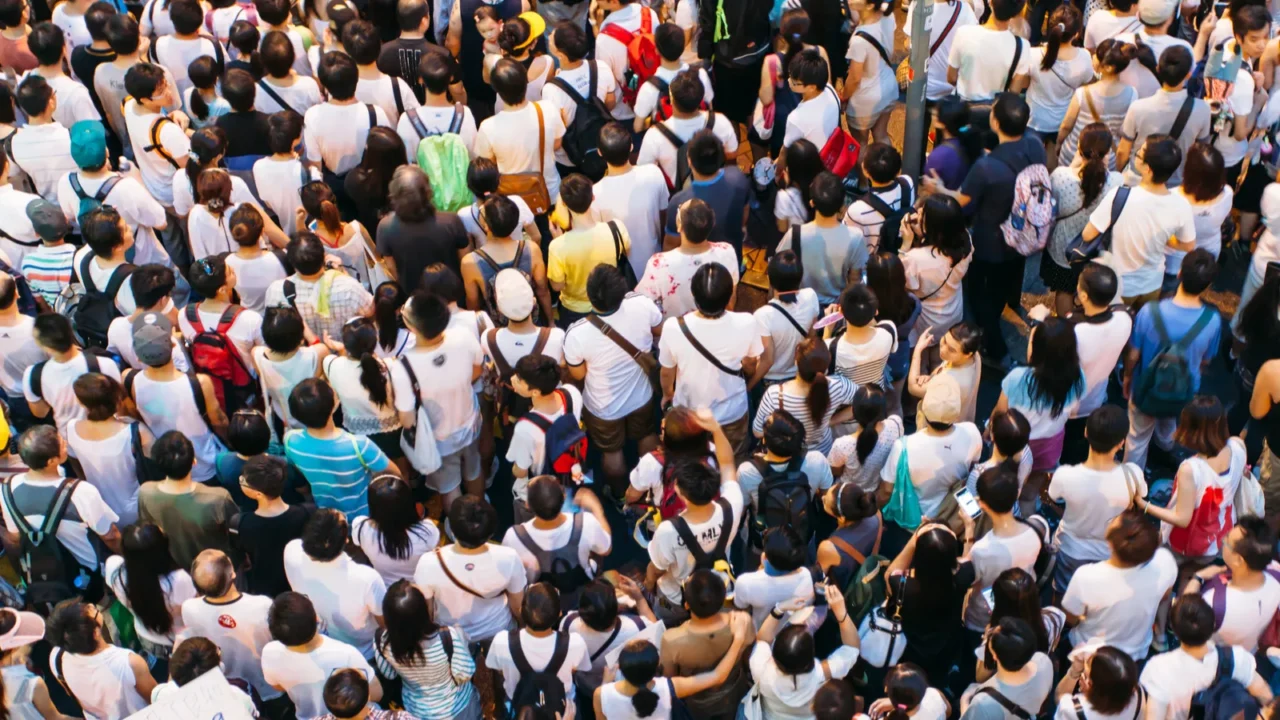
Protest organizers coordinated national days of action in response to immigration enforcement actions. Activist networks encouraged rallies near federal offices, detention centers, and government buildings across multiple states. Demonstrations were announced in both large metropolitan areas and smaller communities.
Organizers reported that protests included marches, vigils, and public gatherings focused on immigration policy. Demonstrations sometimes occurred near airports and transportation hubs used by federal agencies during deportation procedures. These locations are also common travel gateways for visitors arriving in the United States.
Immigration protests historical context
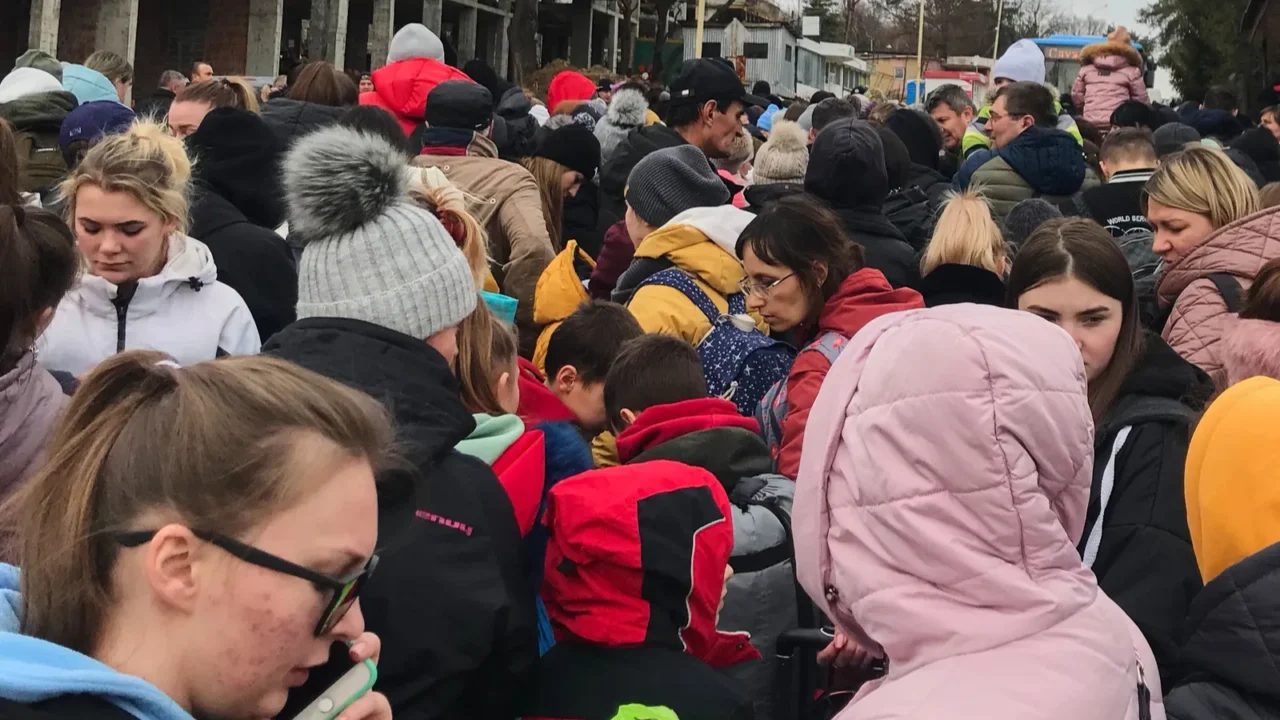
Immigration policy protests have appeared throughout modern American history during periods of policy change. Demonstrations occurred during earlier debates over border enforcement, refugee admissions, and deportation policies. Public activism often increases when enforcement policies expand or shift significantly.
Fact: The United States has experienced several major immigration protest movements since the early 2000s, including nationwide demonstrations during immigration reform debates in 2006, according to the Pew Research Center. Large public rallies have therefore become a recurring feature of immigration policy discussions in American cities.
Global interest in protests
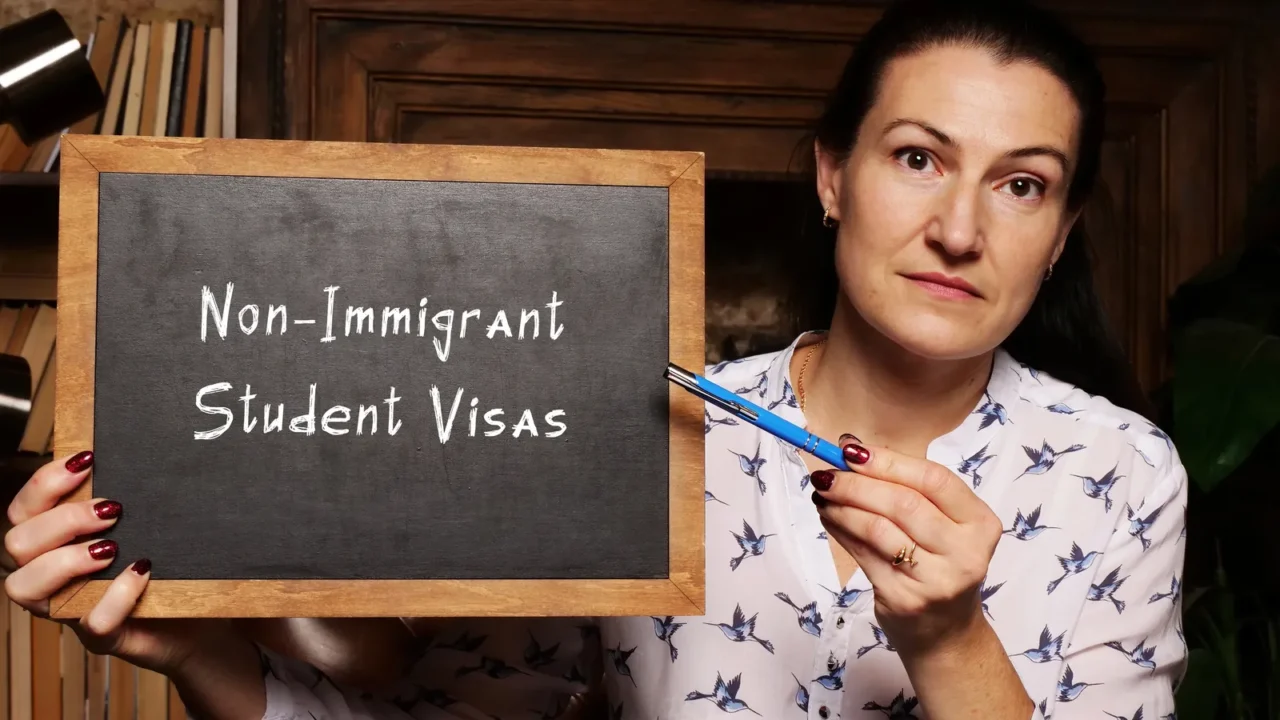
International media outlets frequently cover immigration policy debates in the United States. Immigration rules affect student visas, tourism entry procedures, and long-term migration pathways. Travelers from many countries watch these policy discussions closely before planning visits.
Fact: Before the pandemic, the United States welcomed 79.4 million international visitors in 2019, according to the U.S. Department of Commerce’s National Travel and Tourism Strategy. Major political events in large American cities, therefore, attract global attention because they occur in destinations widely visited by tourists.
Protests near federal offices
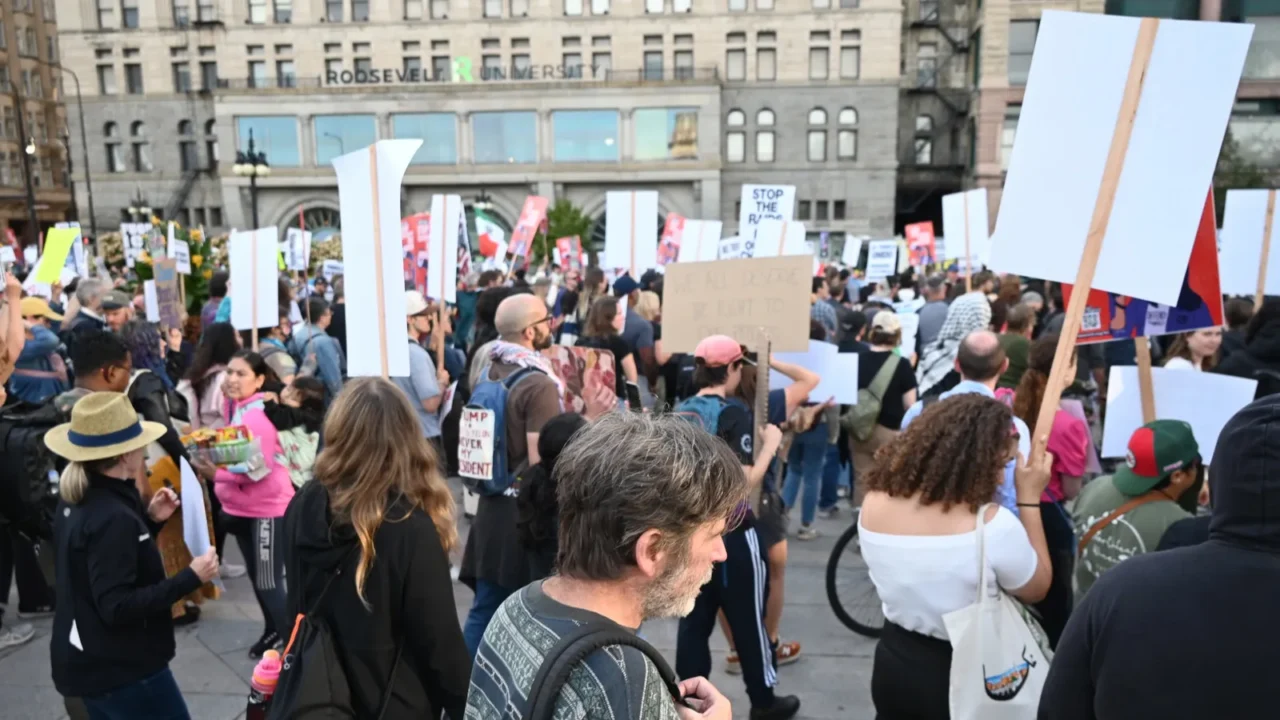
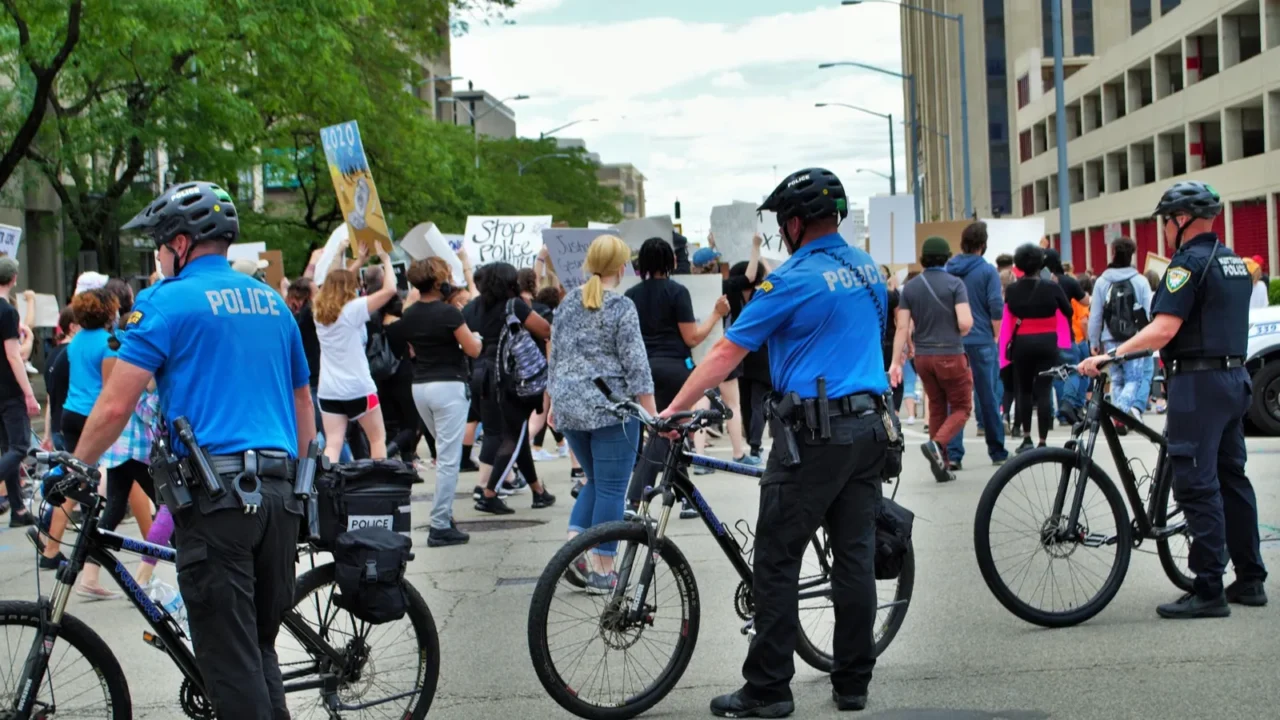
Many demonstrations have taken place outside immigration detention facilities and federal agency offices. Protesters often gather in these locations because they are directly connected to enforcement activities. Federal buildings in downtown districts frequently become focal points during demonstrations.
Cities such as Portland, Oregon, experienced ongoing protests near immigration enforcement offices in recent years. Demonstrators organized marches and gatherings around government buildings connected to immigration operations. These downtown neighborhoods also host hotels, restaurants, and visitor attractions.
Local governments respond cautiously
City officials in several locations have responded cautiously to demonstrations related to immigration enforcement. Local governments often coordinate with police departments to maintain safety during large public gatherings. Officials frequently emphasize the importance of peaceful protest and public safety.
Some local leaders have also debated policies related to detention centers and cooperation with federal enforcement agencies. Municipal governments sometimes review zoning or public safety rules when immigration enforcement becomes a community issue. These discussions often take place in major urban destinations that attract visitors year-round.
Immigration operations continue nationwide
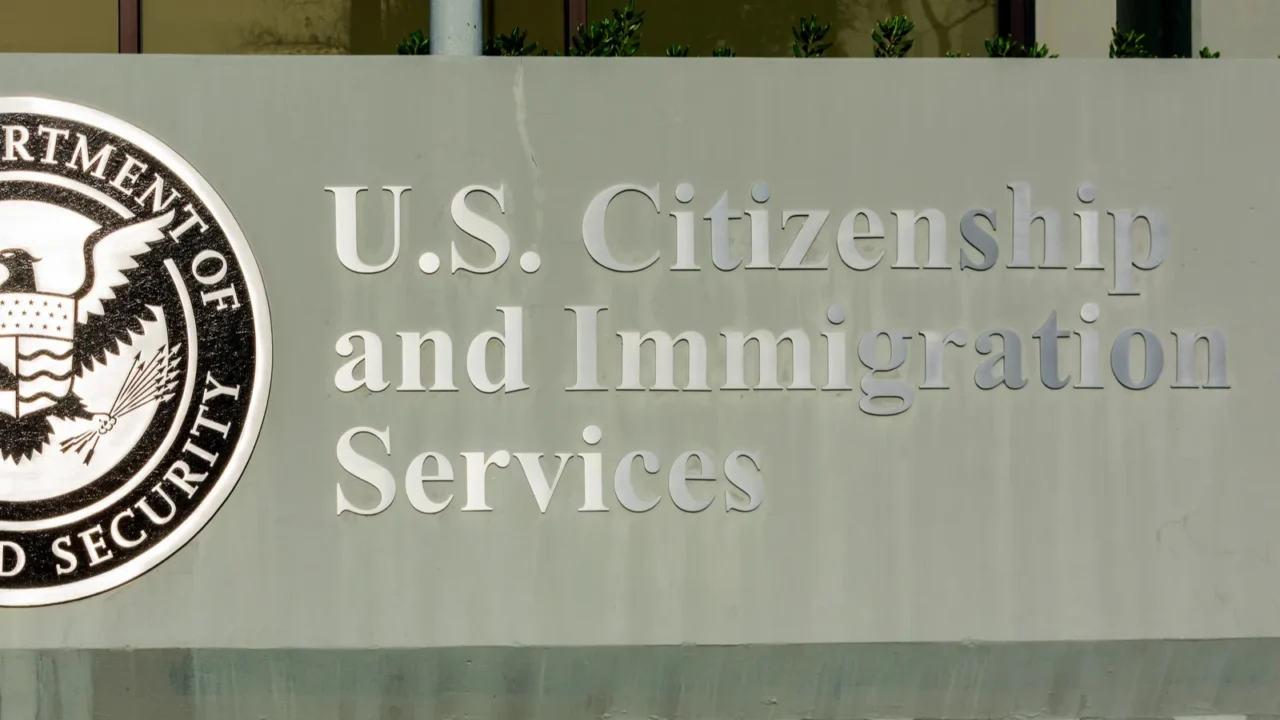
Federal immigration enforcement operations have continued across several states despite public demonstrations. Federal authorities say enforcement actions are aimed at people accused of violating immigration law and, in some cases, people with criminal charges or convictions. Immigration policy remains a central issue in national political discussions.
Large operations have occurred in regions including California and the Midwest during recent enforcement campaigns. These operations sometimes involve multiple federal agencies working together on immigration related investigations. The resulting policy debate often draws public attention in major American cities.
Tourism districts monitor protests
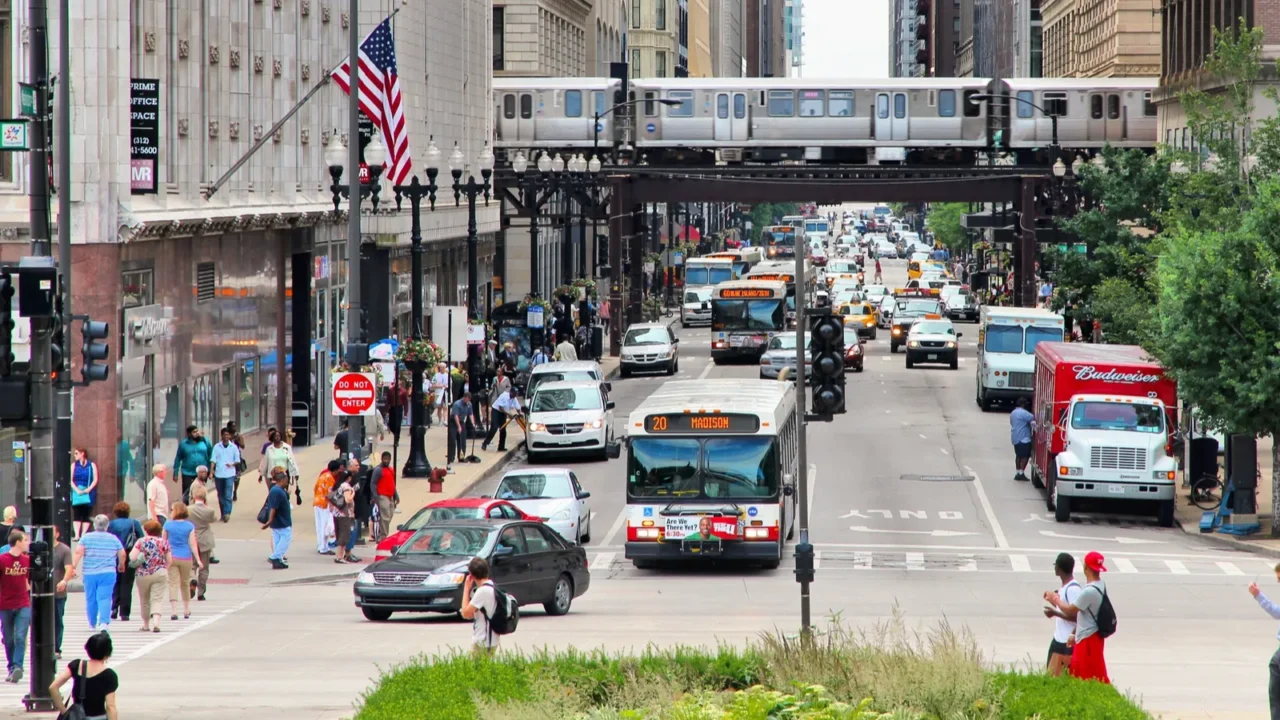
Tourism agencies and hospitality businesses often monitor large demonstrations in major cities. Events near downtown areas can affect traffic patterns and local event schedules. Travel planners usually provide updates when public gatherings occur near visitor attractions.
Cities like Los Angeles, New York City, and Chicago regularly host large public demonstrations related to national policy issues. Tourism officials typically emphasize that most demonstrations remain peaceful and limited to specific areas. Visitors often continue exploring museums, waterfronts, and cultural districts nearby.
Travelers follow policy developments
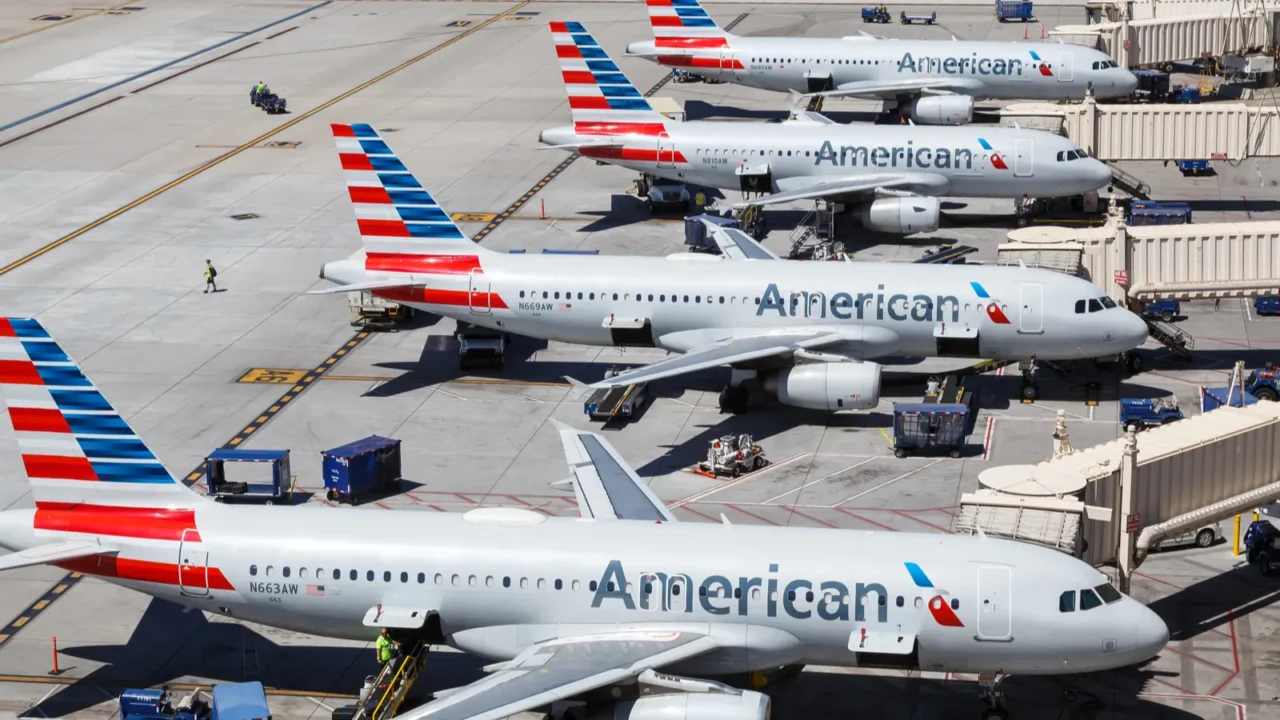
Immigration enforcement debates sometimes influence how travelers think about visiting the United States. International students, tourists, and business visitors often follow policy changes closely. Entry rules, visa requirements, and border procedures can evolve during major policy debates.
Travel industry experts say clear information helps travelers plan trips with confidence. Airlines and tourism organizations frequently share updates about policy developments affecting entry procedures. A study finds immigrants reduced U.S. budget deficits by about $14.5 trillion from 1994 to 2023, highlighting their economic impact and the broader context travelers often consider.
Ongoing debate shapes travel
Immigration policy discussions remain an ongoing part of American political life. Demonstrations, legal challenges, and policy debates continue to shape how enforcement rules evolve. Major cities across the United States remain important centers where these discussions unfold.
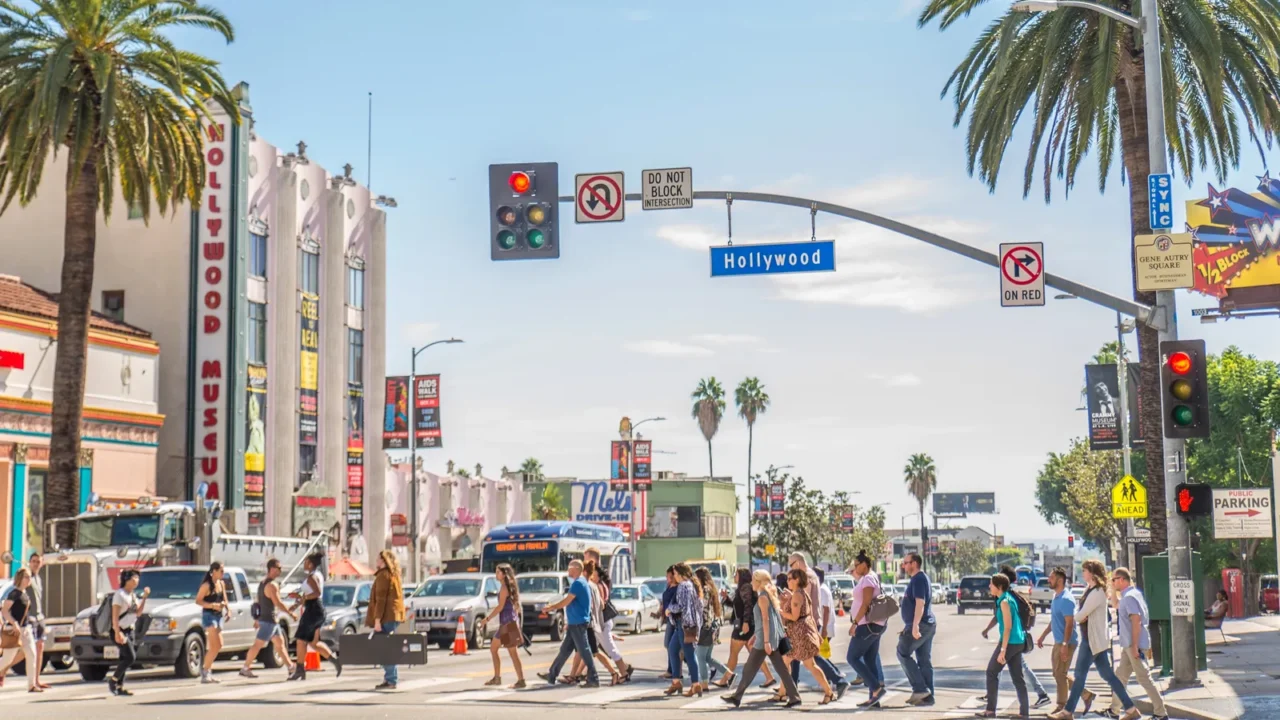
Travelers visiting destinations like New York, Los Angeles, and San Francisco often encounter vibrant civic activism alongside historic landmarks and cultural attractions. Public debate and democratic participation are part of everyday life in many American cities.
Which U.S. destination feels most interesting for travelers following global events and culture? Share thoughts below.
This slideshow was made with AI assistance and human editing.
Don’t forget to follow us for more exclusive content right here on MSN.
Read More From This Brand:
